
How Ecological Decision-Making Shapes Sustainable and Inclusive Growth?
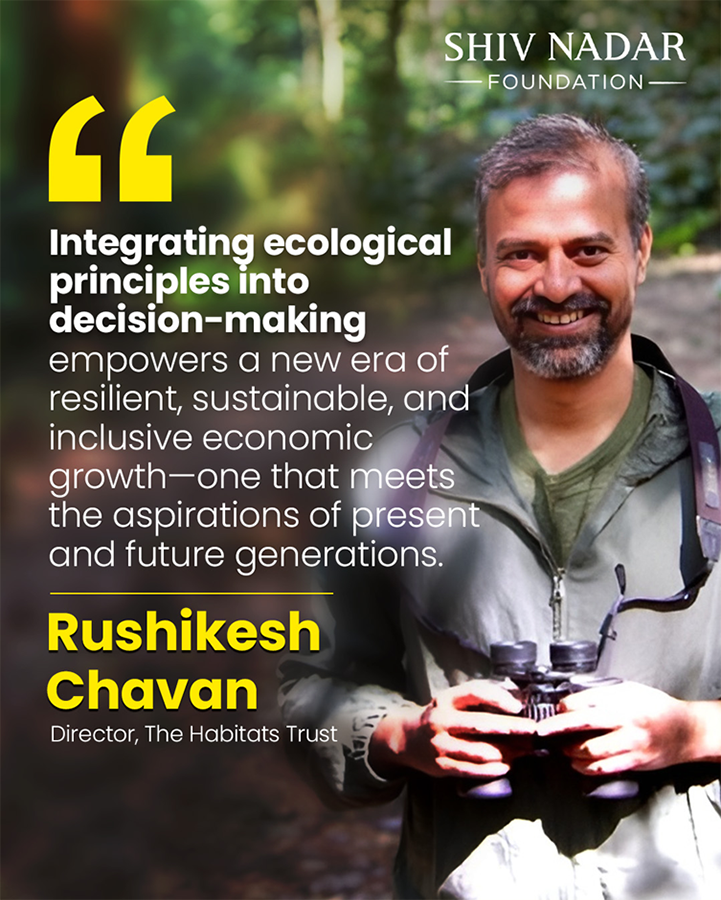
In many mainstream conversations about development and economic growth, nature is often treated as a separate concern. Communities and institutions, however, are undergoing a subtler shift. Progress tends to be more sustainable as awareness grows about the importance of respecting natural limits. This mindset is shared by Mr. Rushikesh Chavan, Director of The Habitats Trust. He reminds us that the environment is necessary for economic resilience to exist. Ecological principles provide sustainable, humane, and balanced growth.
Planning with Nature in Mind
Think of a village planning its future. Choices about water, land, livelihoods, and education are connected. Ecological decision-making sees these links. Forests, rivers, and soil form the basis for growth. When communities align development with nature, they achieve sustainable development and protect resources for the future.
Inclusion Begins at the Community Level
When we involve those who are frequently excluded from development, we begin to redefine what sustainability truly means. A sustainable rural development program is effective when it improves local decision-making, protects nature-based livelihoods, and increases resilience. This is assisted by transformational education. It helps young minds understand their environment, social responsibilities, and the connection between nature and economy. This prepares them to build an inclusive future.
Leadership Education for Lasting Impact
This impact is deepened by leadership education. It helps students grasp consequences, lead with compassion, and make deliberate decisions. The future generation is urged to see nature as an ally in advancement. The Shiv Nadar Foundation in India is fusing community learning with transformational education. They act as a link between the economic and social gaps and also promote sustainable development. It benefits both people and the environment.
Foundations for Lasting Development
True resilience develops gradually when ecological principles shape policies, institutions, and daily choices. Growth should be balanced. This message is clear with the sustainable rural development program and innovative education models. When ecology and decision-making are merged, sustainable development happens. This development is flexible, broad, and has a lasting impact.
Conclusion
Ecological decision-making reshapes how we define progress. It tells a story where nature and development are not in conflict, but in conversation. It fosters development that protects future goals while meeting current needs when paired with leadership and transformative education. In this sense, sustainable development does not remain an objective. It becomes a shared adventure.
FAQs
Q1. How does the Foundation promote modern education in India?
The Foundation promotes modern education by focusing on:
- Excellent educational settings
- Critical reasoning
- Skills in addressing problems
- Obtaining high-quality education
This approach helps learners move beyond rote learning.
Q2. What initiatives does Shiv Nadar Foundation support for rural development?
The Shiv Nadar Foundation supports education-led initiatives that strengthen rural communities. These initiatives focus on improving access to quality learning, building local capacity, and enabling long-term social and economic progress in underserved areas.
Q3. What role does the Shiv Nadar Foundation play in rural development that is sustainable?
By promoting ethical, future-focused development methods and connecting education with community uplift. Communities can develop in a balanced and long-lasting manner because of this link.
Q4. Why is greater innovation in education necessary?
Innovation keeps education accessible, current, and in line with shifting social and environmental demands. It gets them ready for a world that is changing quickly.
Q5. What makes educational quality crucial?
High-quality education is crucial since it:
- Builds essential skills and values
- Develops confidence and independent thinking
- Enables individuals to contribute meaningfully to society
Strong education forms the base for long-term development.