
When Curiosity Meets Opportunity: Women Transforming Education and Science
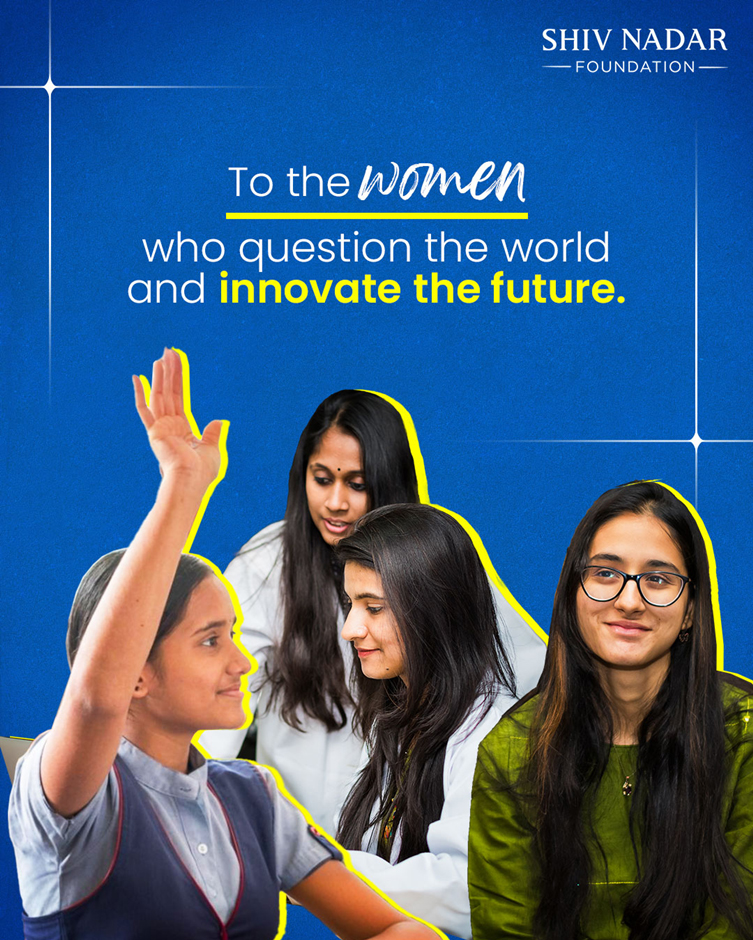
Progress often begins with a simple question. Women continue to ask questions that spark original thought in classrooms, research facilities, and learning communities. While opportunity allows learning to flourish, curiosity gives it direction. When these two come together, significant change becomes possible. This attitude of curiosity is helping address the education gap through several learning initiatives. Programs run by the Shiv Nadar Foundation in Noida also promote educational empowerment through transformative education.
Curiosity as the First Step Towards Change
Curiosity about how the world functions and how it can be changed is typically the first step for women in science and education. Their questions challenge accepted wisdom and create space for more original responses. The Shiv Nadar Foundation promotes learning programs that put curiosity at the heart of transformative education. When curiosity is fostered via educational empowerment, students learn to see knowledge as a tool for development. This approach also contributes to closing the education gap by encouraging more students to find their skills.
Creating Opportunities Through Education
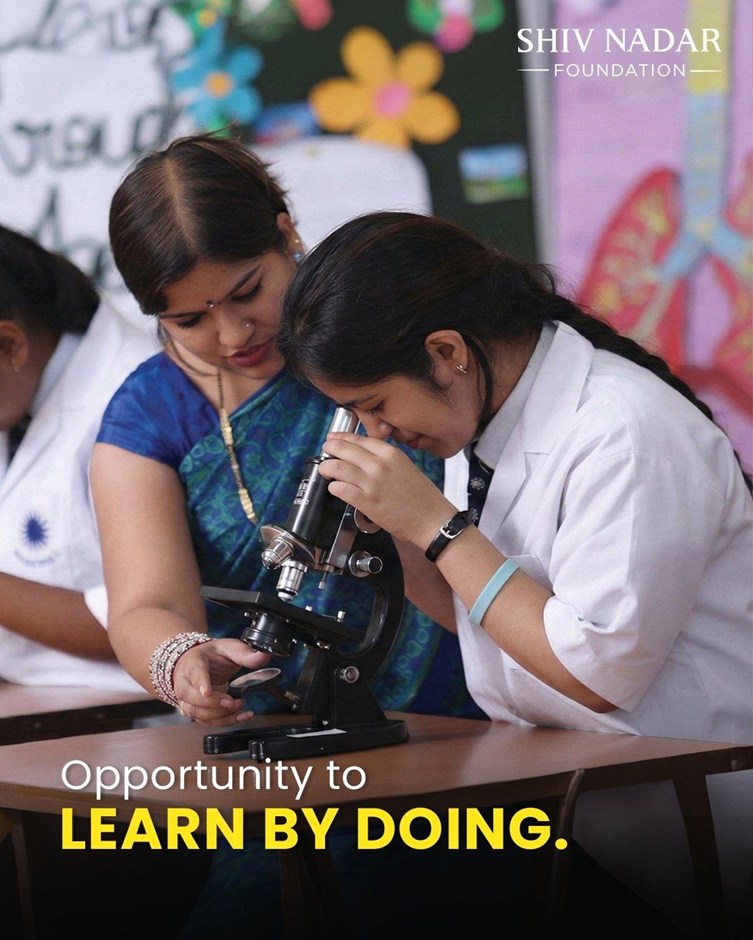
Learning pathways are significantly shaped by opportunity. Creating circumstances that promote educational empowerment and significant academic progress is the objective of many programs. By promoting deliberate teaching methods, the Shiv Nadar Foundation in Noida frequently supports transformational education while working with educational institutions. Organisations are gradually closing the education gap as more realise how important inclusive learning is.
Conclusion
Questions, education, and teamwork shape the way forward. Learning ecosystems are strengthened by organisations, such as the Shiv Nadar Foundation in Noida, via programs that support educational empowerment. Their work supports transformational education while gradually addressing the education gap. When curiosity continues to guide learning, women in education and science will keep shaping ideas that move society forward.
FAQs
Q1. How does curiosity influence progress in education and science?
Curious people are more inclined to investigate novel concepts and pose questions. Deeper comprehension and significant discoveries are frequently the results of this approach. Curiosity propels consistent advancement in science and education when it is fostered by educational opportunities.
Q2. Why are learning opportunities important for women in academic and research spaces?
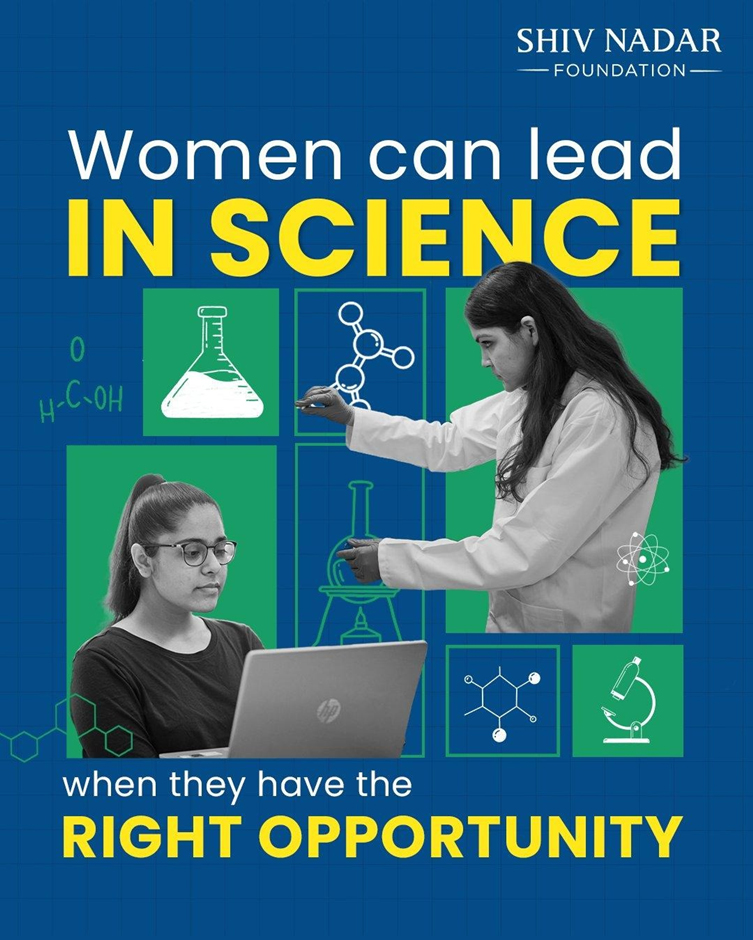
Learning opportunities allow women to develop knowledge, confidence and practical skills. They also create space for new ideas and thoughtful research. With the right opportunities, women can contribute actively to academic and scientific progress.
Q3. How can educational initiatives help reduce the education gap?
Because of educational initiatives, access to structured learning and mentorship increases. This helps students get the necessary support to complete their academic journey. Over time, such efforts help narrow the education gap in meaningful ways.
Q4. How can foundations and institutions contribute to meaningful learning?
Programs that improve learning environments are frequently created by foundations and institutions. They offer tools, guidance, and chances for development. They work to strengthen the intellectual foundations of educators and students.
Q5. How does transformative education shape the future generation?
Transformative education develops critical thinking and curiosity. It supports students in connecting their knowledge to real challenges. This strategy teaches students to think critically on their own and provide new viewpoints to society.