
When Girls Ask “Why”: How Curiosity Shapes Future Women Leaders in Science?
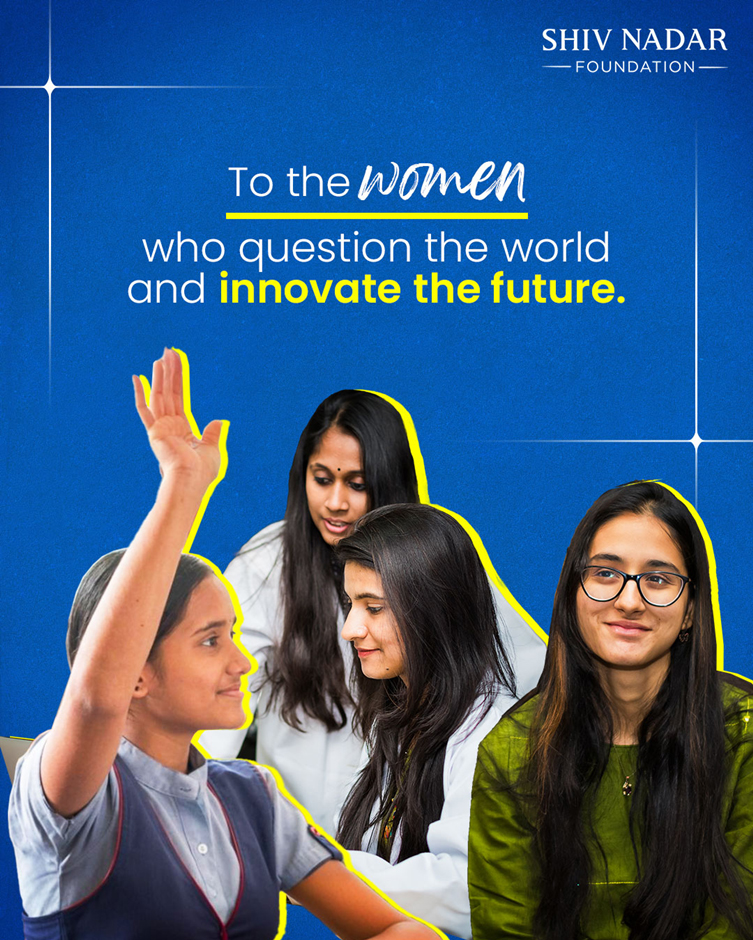
When a girl asks “why”, she is not being difficult. She is thinking beyond boundaries. That simple question is often the start of discovery. In science, progress begins with curiosity. We must first foster that interest in the home and in the school if we want more women to hold leadership positions in research facilities, technological companies, and labs.
Curiosity as the First Step to Leadership
Questions build confidence and shape independent thinking. Girls learn to question concepts and evaluate evidence clearly when they are taught to ask “why” and “what if.” The foundation for transformational leadership in science and other fields is laid by this habit of questioning and curiosity. Strong girl child education in India facilitates this process by fostering an environment in the classroom that values questioning. Projects, discussions, and experiments help girls establish a solid foundation in India. These encounters equip students for postsecondary education and leadership positions in the future.
Turning Curiosity into Capability
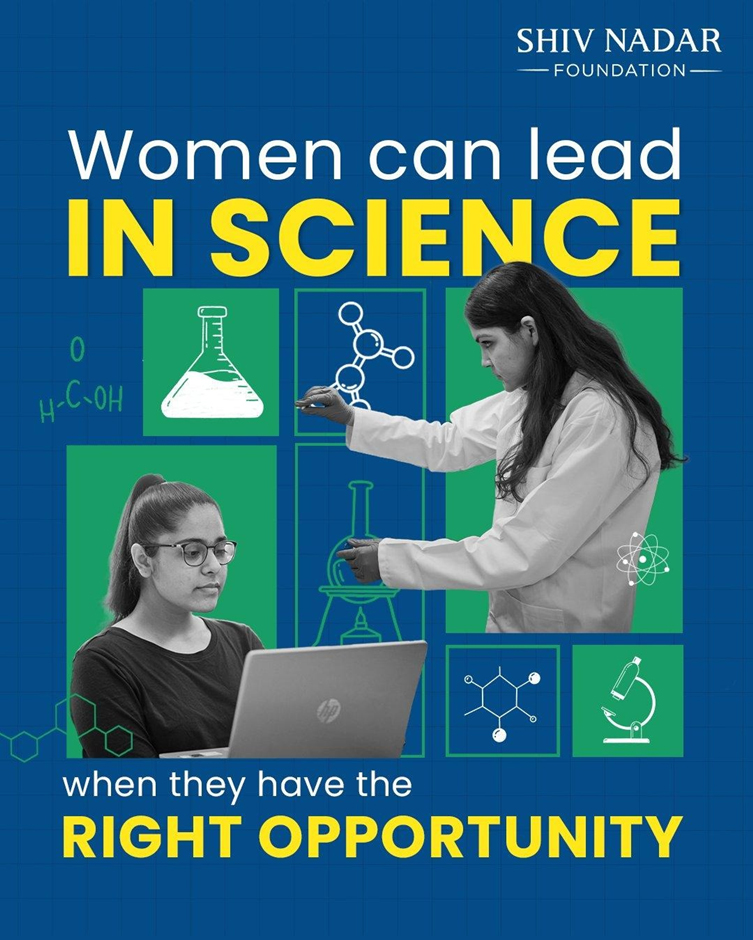
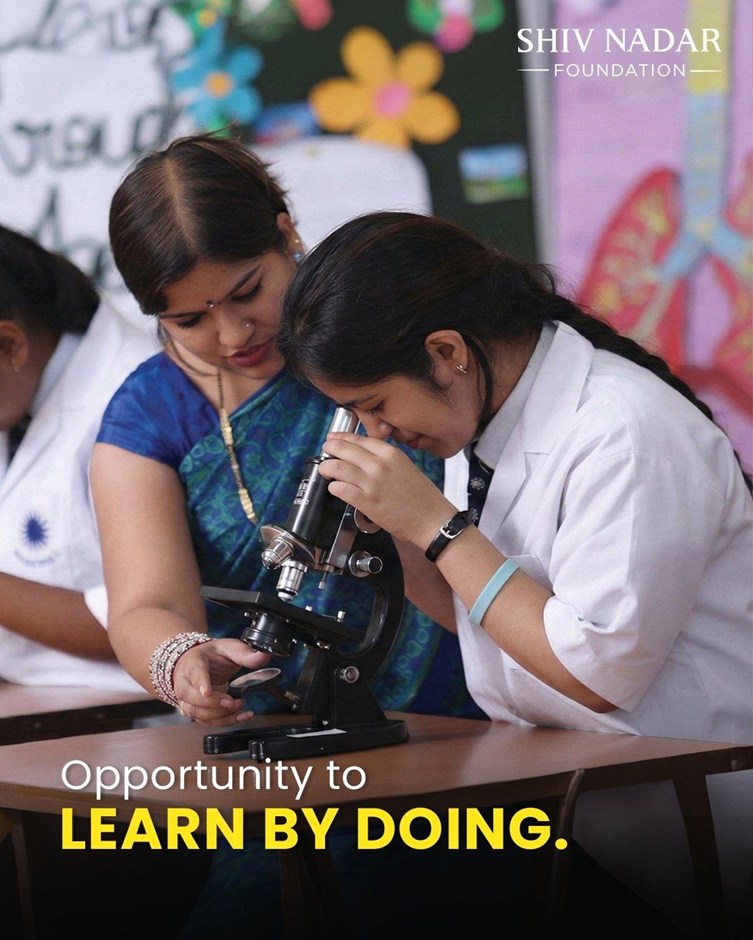
Opportunities shape scientific ambition. To nurture that ambition, modern schools must move beyond texts and theories. Modern education in India is therefore increasingly embracing practical learning, where students engage with real-world issues. This approach becomes meaningful through:
- Science fairs that encourage experimentation.
- Laboratory sessions that build technical confidence.
- Community projects that apply theory to real situations.
- Structured mentorship programmes led by experienced scientists.
These experiences help curiosity grow into confidence and transformational leadership.
Building Systems that Support “Why”
Systems need to actively encourage curiosity if they are to thrive. Policies that support education for all ensure that every girl can confidently pursue science. Education for all also strengthens participation and opportunity within classrooms. In order to improve girl child education in India, modern education across the nation is embracing technology and research-based approaches. In India, where asking questions is encouraged, access to labs and digital tools strengthens the foundation. In such environments, curiosity develops into capability and confidence, shaping transformational leadership for the future.
Conclusion
When girls are free to ask “why”, science becomes more than a subject. It becomes a pathway to leadership. By strengthening inclusive learning systems and supporting the growth of girls in classrooms across India, we prepare future innovators. A new generation of women whose curiosity leads science through transformational leadership takes shape through this continued progress.
FAQs
Q1. How does the Shiv Nadar Foundation promote modern education in India?
The Shiv Nadar Foundation promotes modern education in India by supporting question-based learning and practical exposure. It encourages the use of technology and research-driven teaching methods. It also creates opportunities for mentorship and scientific exploration.
Q2. Why is greater innovation in education necessary?
The following reasons make innovation in education crucial:
- Promotes critical thinking.
- Links education to practical problems.
- Adjusts to evolving scientific and technical requirements.
- Prepares students for future leadership roles.
Q3. What impact does curiosity have on the formation of scientific leadership?
Questioning and independent thought are fostered by curiosity. It supports students’ exploration of novel concepts and evidence analysis. These characteristics underpin strong scientific leadership.
Q4. Why does mentorship matter in building confidence in science careers?
Mentoring gives insight and assistance throughout critical periods. It boosts confidence and clarifies professional choices. It also demonstrates that leadership in science is possible.
Q5. How does practical learning shape future women leaders in science?
Practical learning turns knowledge into real experience. It strengthens analytical thinking and independent decision-making. It also builds confidence in handling complex challenges. These qualities prepare young women to lead in scientific environments.