
Why Education Is the Key to Building a Better and More Inclusive Future
Education is the strongest basis for developing a society where everybody has equal opportunity to study and contribute. Education helps people gain knowledge, skills, and confidence, and it can even help them make sound judgments.
Beyond academic success, education can affect jobs, health awareness, social participation and even economic development. If people from diverse backgrounds have access to learning, education can help eliminate some of these differences. Let us dive in to learn more about the importance of education.
Education Creates Opportunities for Everyone
A strong education system gives children and adults the chance to build skills that benefit both personal and professional life. Education can help people understand their rights, communicate better, identify solutions and adapt to technological and workplace changes.
Education for all indicates that all should have equal opportunity to learn regardless of gender, location, economic background, disability, or social environment. Inclusive education allows society to accept disparities in ability and provides appropriate support to learners.
Some important outcomes of inclusive education are as follows,
- Development of literacy and numeracy skills
- Improvement of access to job opportunities
- Enhancement of self-confidence and social interaction
- Improvement of awareness about health and wellness issues
- Understanding of civic obligations
- Lifelong learning opportunities
Quality Education Helps to Create Better Communities
Going to school is not only a requirement. Learners also need knowledgeable teachers, suitable instructional materials, safe learning spaces, supportive environments and methods that suit their needs. That is why the right to quality education is important in discussions of inclusive development.
Quality education can help learners acquire academic and practical skills. Learning institutions that encourage creativity, communication, collaboration, curiosity, and critical thinking can equip learners with the necessary skills for different social and work environments.
Some of the features that create a conducive learning environment are,
- Skilled and competent teachers
- Accessible and secure school infrastructure
- Suitable textbooks and digital materials
- Inclusive educational methodologies
- Continuous assessment and academic assistance
- Participation in sport, arts, and practical learning
Reducing the Education Gap
Even with improvements in education, not all learners get equal chances. Home income, geography, physical and digital infrastructure, disability services, and social conditions can influence school attendance and performance. Such inequalities may widen the education gap and shape a person’s future opportunities.
Efforts to reduce this inequality may require a joint effort by governments, educational institutions, communities, families, teachers, and other organisations. Solutions should address both access and the quality of education.
Some of the ways that may be used to reduce the inequality in education are:
- Giving learners scholarships and financial aid
- Developing school infrastructure in poor areas
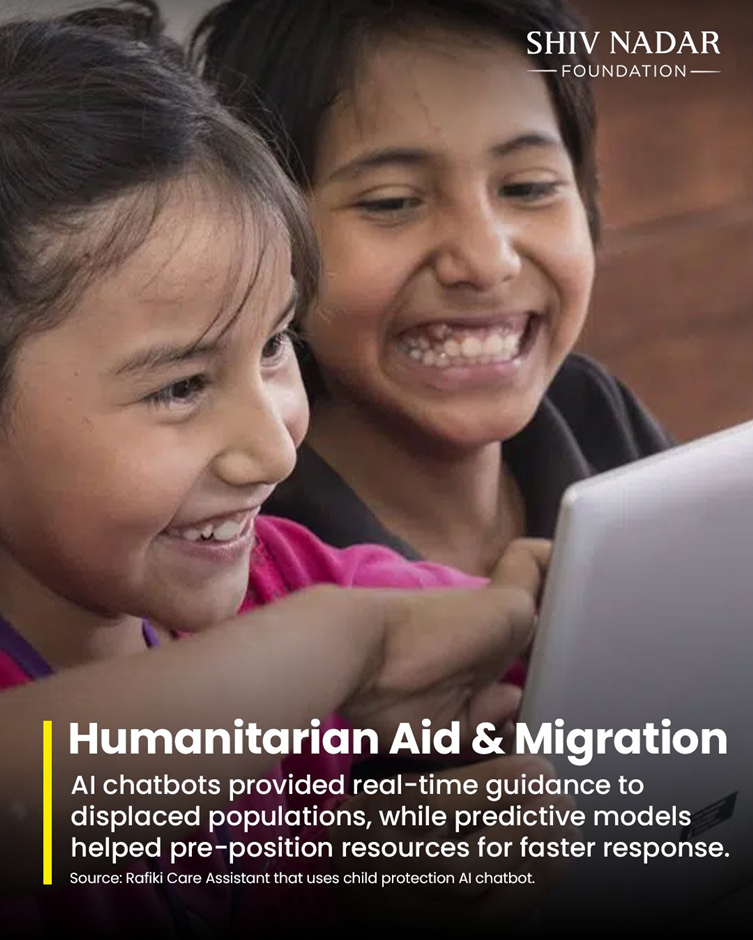
- Making digital learning opportunities available
- Assisting learners in danger of dropping out
- Ensuring an inclusive environment for disabled children
- Professional development of teachers
- Promoting family involvement in education
Why Is Girl Child Education Important?
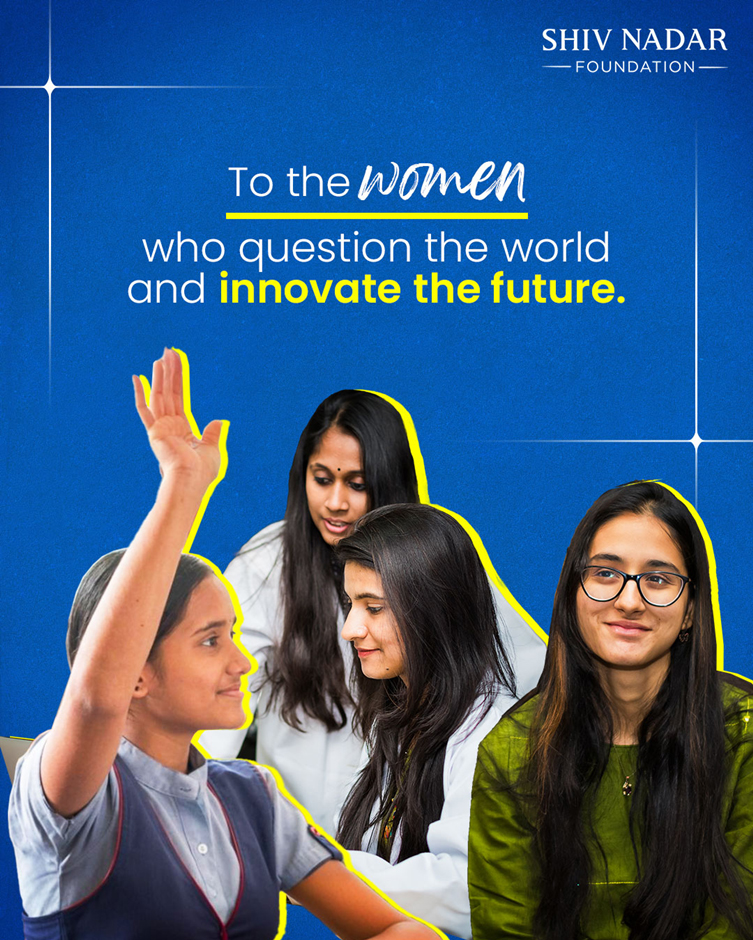
Education of girls could offer benefits that extend beyond the confines of academic excellence. When a girl is educated, she gets equipped with information and skill sets that help her to acquire employment, earn income, know about healthcare and participate in community activities.
Why girl child education in India is important? Girl child education pertains to issues such as gender equality, social development, and economic engagement. Girls are encouraged to be educated and seek higher education to improve their chances.
Education of girls can include
- Transport safety at schools
- Economic hardship and financial aid to people who cannot afford it
- Clean facilities and sanitation
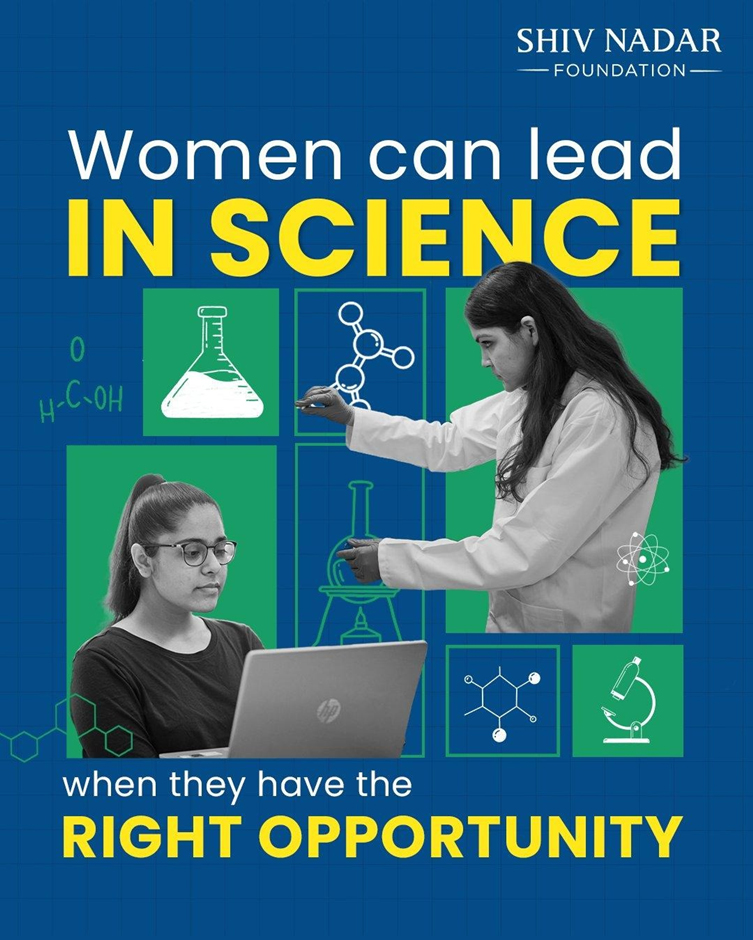
- Motivation for science, technology, vocational and professional paths
- Protection of vulnerable girls to keep them in school for a long time
- Campaigns to educate parents and the community
Improving Rural Education
Geographical factors may affect access to educational material. School facilities in rural areas may face problems with infrastructure, transport, access to qualified teachers, internet, and educational materials.
Digital technology can complement conventional classroom education, along with libraries, learning centres, teacher training and improved infrastructure to improve rural education in India.
Areas of interest may include:
- Electricity and Internet access
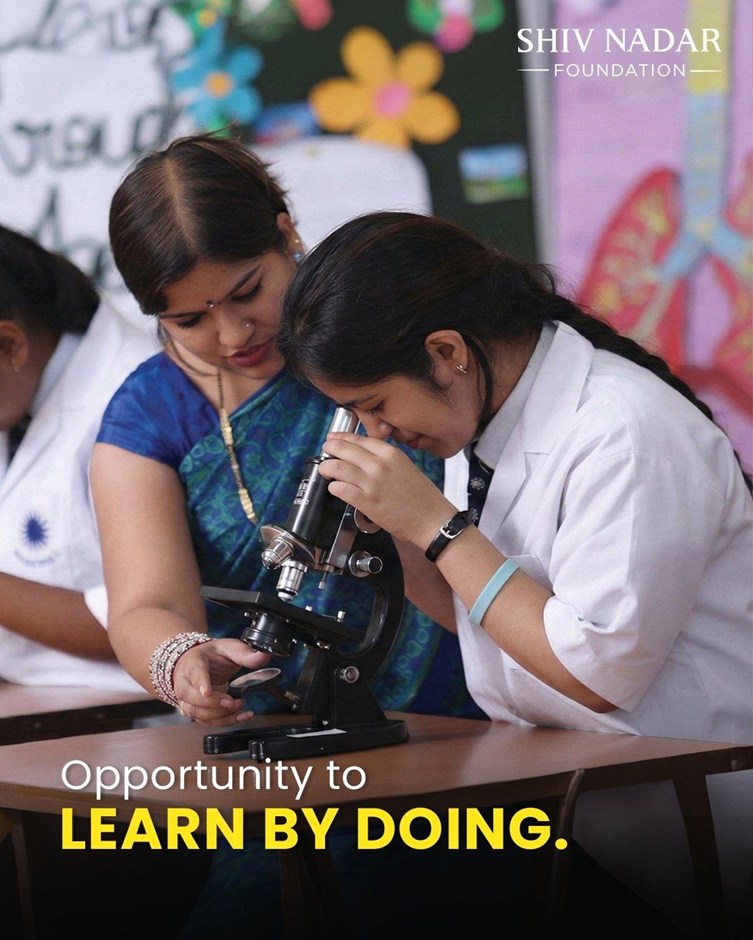
- Upgraded classrooms, libraries and laboratories
- Availability of trained teachers
- Digital learning materials
- Student transport
- Learning Stations
- Training skills.
Education and Economic Development
There is a close link between education and economic development. People with the right knowledge and skills may be better placed to access job or entrepreneurial opportunities. On a wider scale, an educated populace can improve productivity and innovation in the formation of new industries.
The current education system must also meet evolving work demands by incorporating skills such as digital literacy, communication, problem-solving, financial literacy and technical skills alongside academic areas.
The educational system could facilitate future preparedness through,
- Practical learning
- Vocational engagement of students
- Digital and technology skills
- Entrepreneurship
- Career guidance
- Internships
Winding It Up
Education can change lives individually while also creating a better, more balanced community. Making sure that there is an opportunity for education allows children and young people to learn the knowledge, confidence, and skills required in the future.
Education for all means working to overcome obstacles related to affordability, geographic distance, infrastructure and social circumstances. Shiv Nadar Foundation strives to create opportunities for education that will help people from different walks of life have access to good learning and realize their potential.
Through its education and social development programs, ShivNadar Foundation continues its efforts to encourage learning and create opportunities for people. Learn more about Shiv Nadar Foundation and see how its educational programs can help build an inclusive future.
FAQs
1. How important is education to society?
Education helps develop knowledge and awareness. This can improve employment chances and help individuals play an active role in their communities.
2. How can education promote inclusion?
Inclusive education means that people from varied social, economic, geographic and cultural origins can learn in a friendly setting.
3. What can help reduce educational inequality?
Scholarships, better infrastructure, skilled teachers, technology, accessibility and community engagement can help to overcome hurdles to education.
4. How important is girl’s education?
Educating girls can help increase economic involvement, independence, health awareness, educational and career prospects.
5. How can organisations assist in education?
This can be achieved through scholarships, establishing schools, training teachers by providing learning materials and improving infrastructure.