
From Education to Empowerment: How Quality Learning Drives Social Change
Education is one of the most important tools for empowerment. It helps not only the individual but also the community or even society. Education is not merely for gaining academic knowledge or earning a living.
It also leaves kids with developed confidence, critical and creative thinking, social awareness and decision-making skills. The advantages of learning can help people to overcome difficulties and become helpful members of society.
This is where the nexus between education and development comes into play, as it leads to educational empowerment . Now, dive into the blog to know how quality learning drives social change.
Education as a Foundation for Individual Growth
High-quality education enables people to become self-reliant and competent individuals. Skills such as reading, numeracy, digital competency, communication and problem-solving assist people in addressing problems they meet in their daily lives.
A good educational environment also develops learner interest and enhances self-confidence. People need to learn to understand concepts and use them in everyday situations, rather than just memorizing knowledge.
Some of the benefits that may accrue to people from this strategy are:
- Better personal and financial decision-making
- Creating better opportunities for jobs and careers
- Expressing yourself with confidence
- Adapting to technology and societal change
- Participating actively in communities
- Problem-solving skills and resilience
Transformative Education Creates Transformation
The idea of transformative education means going beyond ordinary schooling. It promotes critical thinking, considering multiple views, and reflecting on one’s surroundings.
It may allow a student to participate actively in creating societal transformation. Transformational learning provides opportunities to collaborate with peers.
Through transformative education, students learn to listen, accept different viewpoints, and achieve mutual goals. Such qualities become key to building peace and inclusiveness. Education that inspires a learner to see their responsibility beyond success can have a far-reaching effect.
Stronger Communities through Learning
The positive aspects of education are not confined just to the learner. An educated person can help form stronger families and communities by sharing information, helping others, and participating in community development initiatives.
Education can encourage people to become more aware of,
- Public health and hygiene
- Finances
- Environmental concerns
- Education and development of children
- Opportunities for various groups to be treated equally
- Community obligations
As more people receive a good education, communities become better prepared to meet difficulties as they arise. Education can also create avenues for collaboration by bringing people from various backgrounds together.
So, schools and community learning programs can be places where people learn not only knowledge but also empathy and cooperation.
Education for All Promotes Equality
The idea of education for all is important in building an inclusive society. Social development will not happen until certain areas of society are enabled for learning, such as poverty, gender, geography, disability, language or other social settings.
Educational opportunities can significantly help close the inequality gap by boosting a person’s ability to gain the knowledge and skills they need. Inclusive education, therefore, entails not only enrollment but also access to resources and an adequate learning environment.
Key elements of inclusive learning are:
- Inclusive schools and learning environments
- Well-trained and supportive teachers
- Low-cost learning materials
- Internet access when needed
- Learning support for diverse students
- Safe, courteous learning settings
- Girls and boys should have equal chances in education
The Right to Quality Education Matters
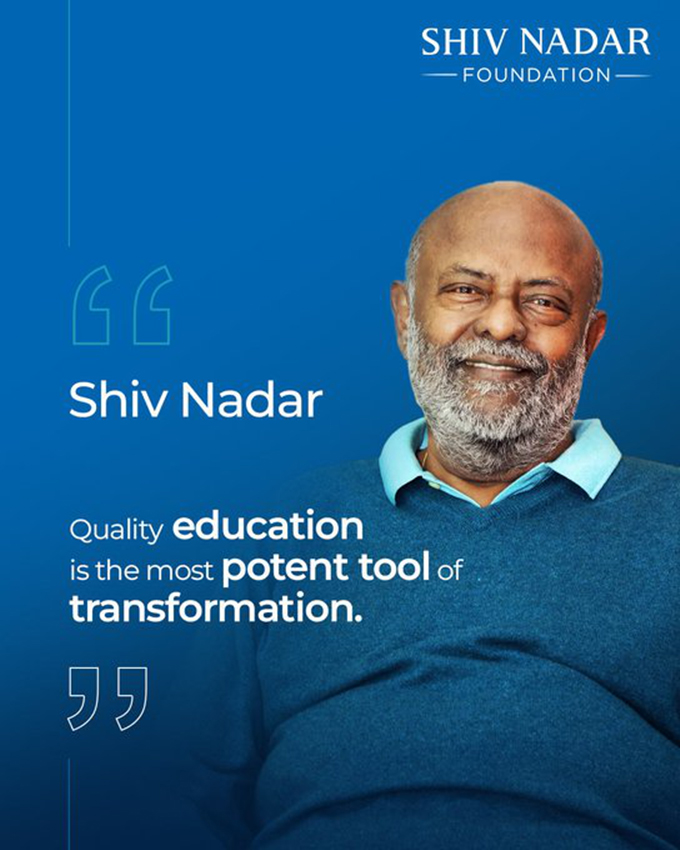
Making classroom education available is not sufficient on its own. Everyone has the right to quality education, which supports growth in various areas of life. Quality education needs to be relevant, inspiring, interesting and able to equip learners with skills to face real-world events.
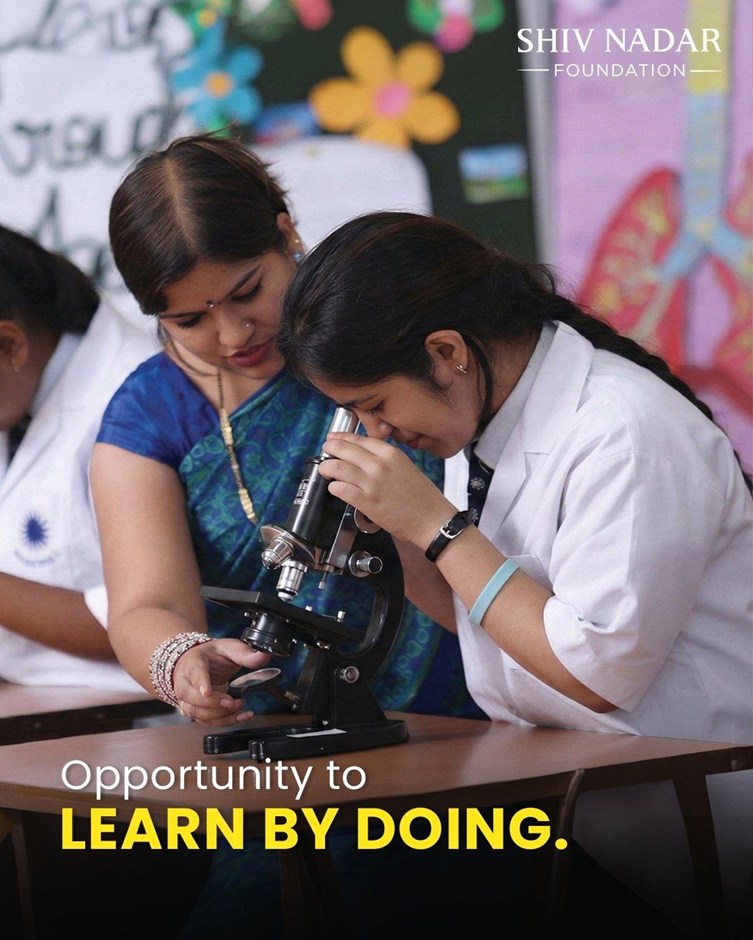
Well-trained teachers create settings that motivate learners to participate actively, make mistakes, inquire, and progress. Modern teaching strategies may even include technology, participation, cooperative learning and projects.
With this emphasis on quality, learners can remember what they are taught and apply their knowledge.
Education as a Long-Term Agent of Change
Change is not an immediate process. It requires knowledge, support, proper institutions, and participation. Education ties all these components together.
The knowledge and self-confidence they acquire can influence their families, workplaces and even their communities. Educated people can positively impact society through their activities and decisions on the health, economy, equality and social involvement of society.
A good education also helps civilizations to adapt to change. As technology develops and global problems become more complex, people should constantly have opportunities to expand their talents.
Building a More Equitable Future Through Learning
For education to catalyze social transformation, it must address concerns about access and performance within educational institutions and communities.
The forward-looking vision of education could point to:
- Equal opportunity for education
- Student-centred learning process
- Digital and financial literacy
- Critical Thinking and Creativity
- Social and emotional development
- Developing skills
- Teaching inclusively
- Ongoing teacher professional development
This will allow learners to become not only workers, but also socially responsible citizens.
Conclusion
Quality education can help people become confident, responsible, and competent members of society. By ensuring learners get quality learning experiences, people can eliminate disparities, foster innovation, and lay a stronger foundation for sustainable development in the future.
Shiv Nadar Foundation is committed to ensuring that quality education continues to be realized through empowerment and transformational education. With its dedication to education, inclusive learning, and holistic development, Shiv Nadar Foundation plays an important role in helping learners become agents of change in society.
FAQs
1. Explain how education can cause social transformation.
Education allows the development of critical thinking, awareness, confidence and competence, which helps people to contribute to their society.
2. Explain transformative education.
Transformative education inspires people to think critically about various concepts, to take other viewpoints into account, to solve real-world problems and to be an active part of society.
3. Why is education necessary for equality?
Education can help bridge the gap between people by providing knowledge and skills.
4. Explain the concept of educational empowerment.
Educational empowerment involves developing the knowledge, independence, confidence and skills of decision-making among learners.
5. How can technology contribute to education?
Technology makes education more accessible and personalized.