
How Education Becomes a Powerful Force for Peacebuilding and Social Change
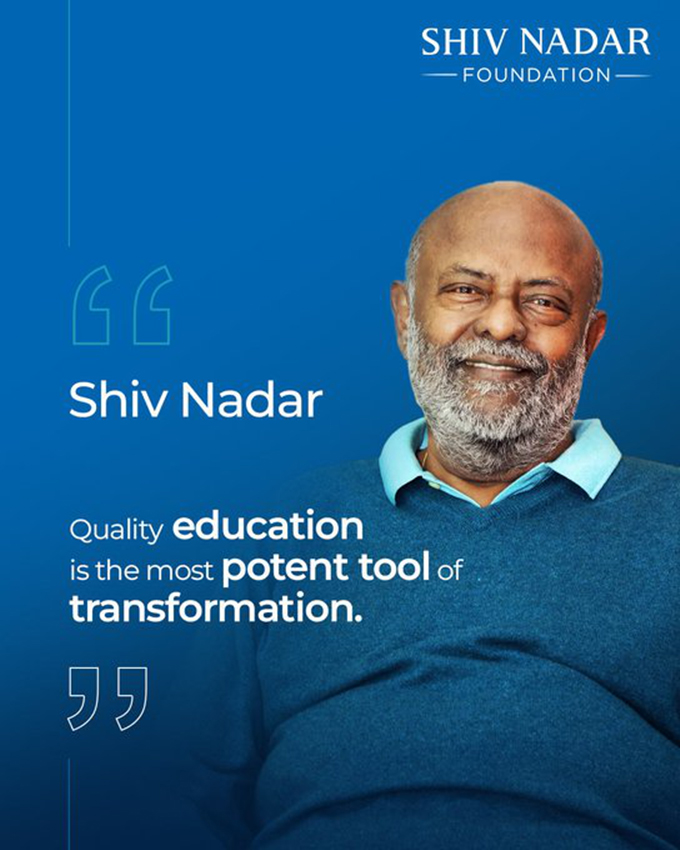
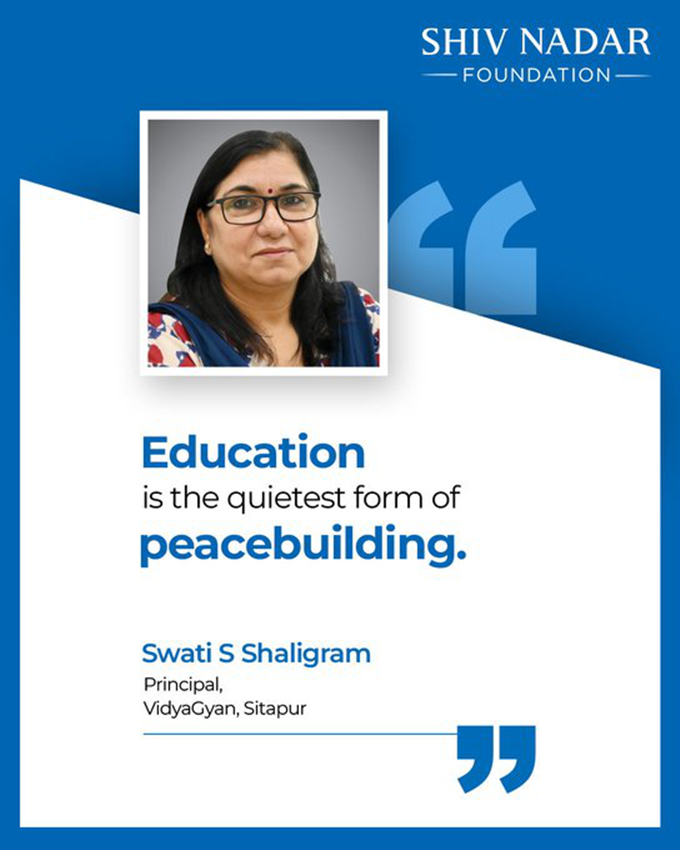
Education is always the strongest foundation for building a better society. Transformative education changes how individuals view themselves and goes beyond basic literacy and numeracy to include training for real-world application.
Education is meant to build skills such as critical thinking and equality. All educational institutions, including schools, universities, teachers, parents and even entire communities, are responsible for teaching people skills to engage socially. Let us dive in to know why education becomes a powerful force for peacebuilding and social change.
Education Builds Understanding and Tolerance
Most conflicts happen due to miscommunication between individuals and organizations. An education system should provide the necessary foundation to understand other cultures and their perspectives.
A well-designed educational process instils appreciation for variety, rather than fear of it. People get to know each other and talk about different societal topics, which builds tolerance and empathy. These two attributes are necessary for harmonious coexistence.
Schools and other educational institutions give young people opportunities to learn how to communicate their thoughts with civility. Instead of fighting during confrontations, children might learn the value of discussion, cooperation and respect for others.
How Does Education Support Equality and Social Justice?
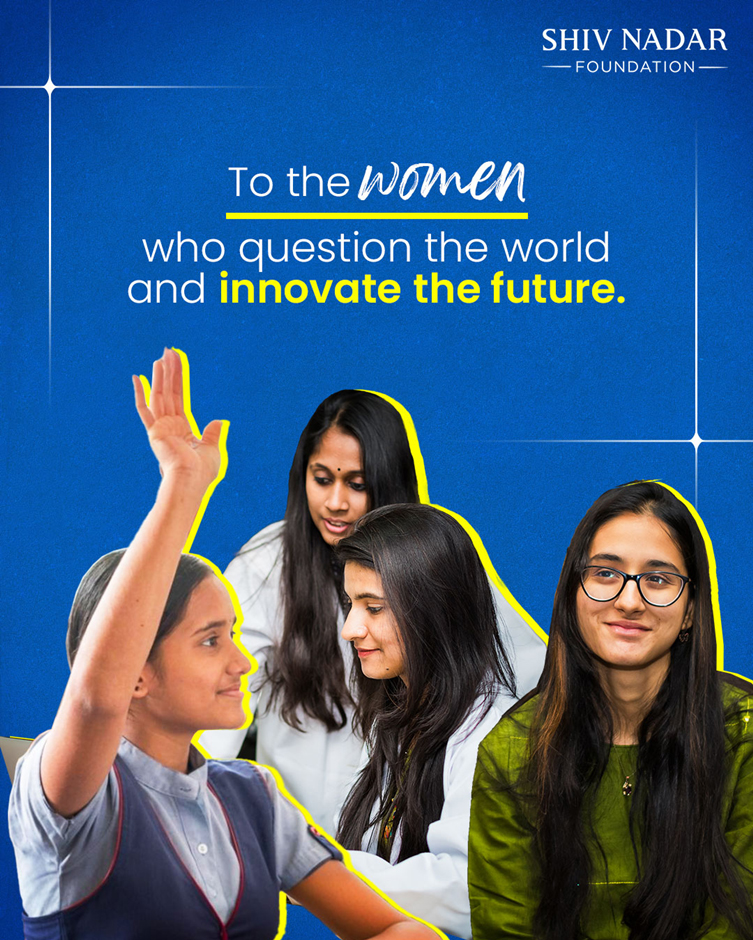
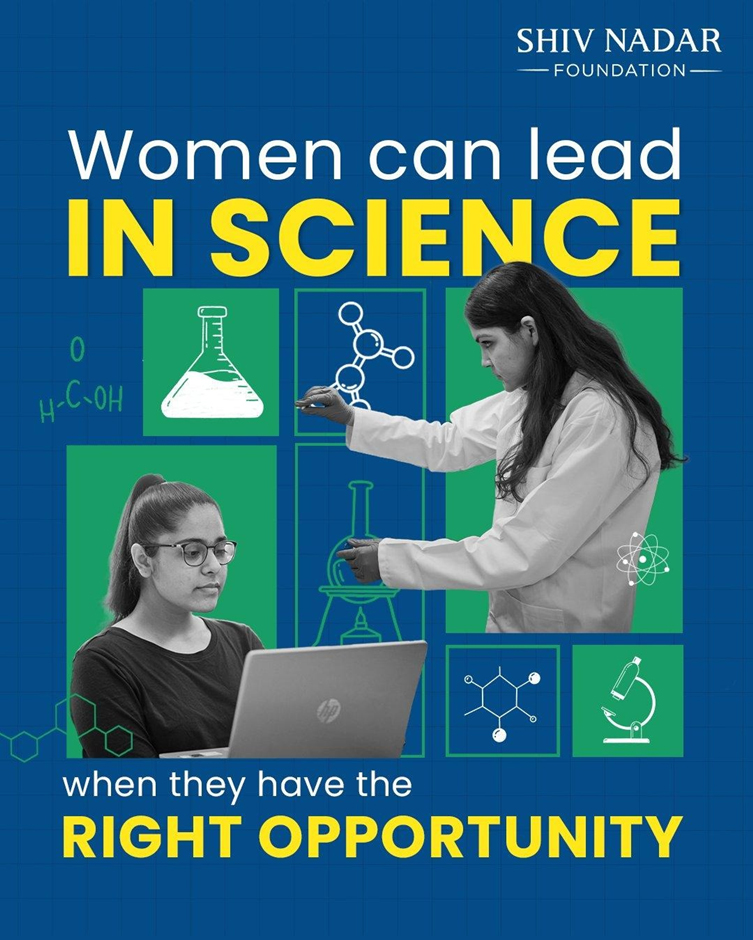
A proper education helps people improve their social and economic status. People with adequate education and skills are better positioned to get jobs, participate in society, and make rational decisions to escape poverty and exclusion.
Ensuring education for all remains an important goal worldwide. Children and adults are limited by different factors such as poverty, discrimination, disabilities, geographical remoteness or social circumstances. Overcoming these obstacles is necessary for building an equitable society.
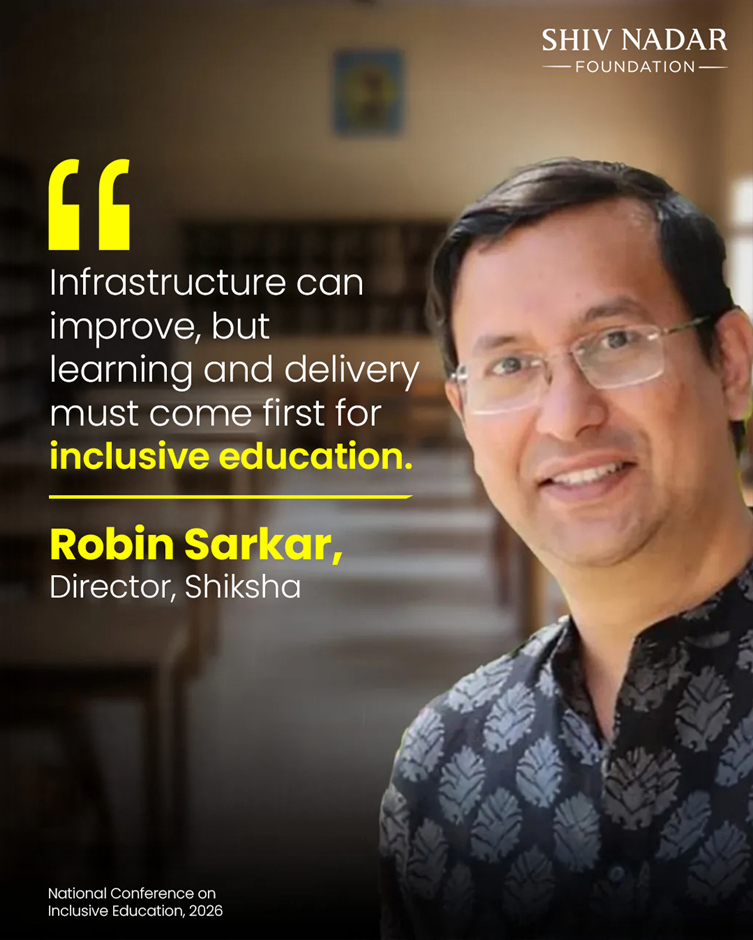
Inclusive education means giving learners the chance to take part in the process. Building equal educational opportunities through investment in schools and technology is one way to give learners the chance to contribute to social progress.
Building Empathy and Understanding
The most important advantage of education is building empathy among learners. If children know about other people’s life experiences, difficulties and opinions, they may show empathy and respect to each other.
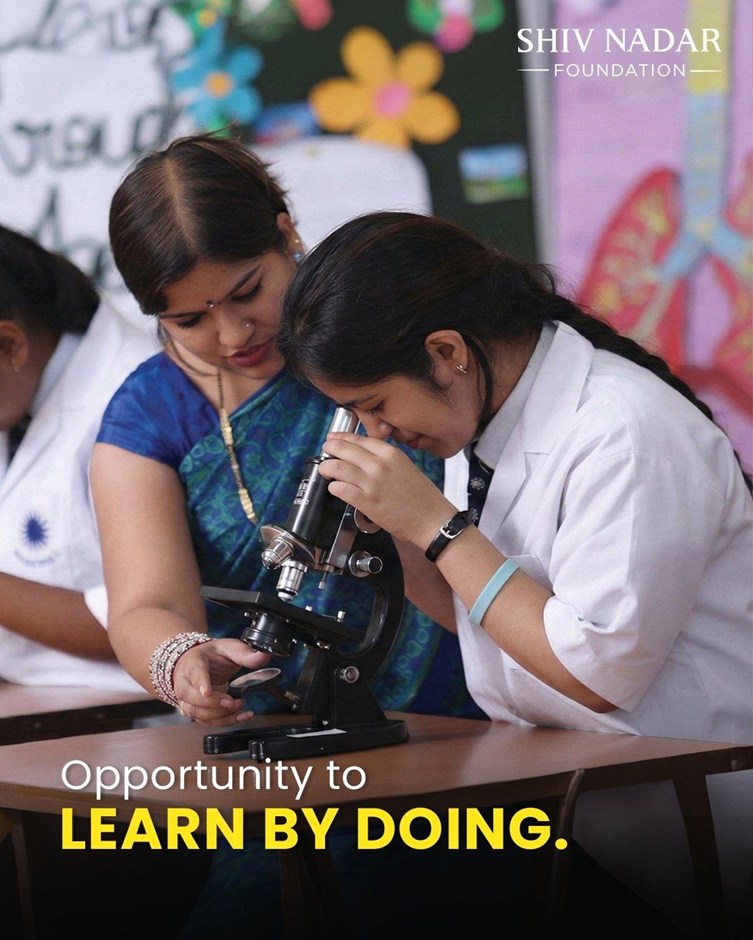
Classroom discussion, group work, storytelling, literature and community work are ways learners might learn other people’s opinions. For instance, reading stories about people from other countries and communities can help students recognize common features of human experience. This can help them develop emotional bonds and reduce social barriers between people.
Emphasis on social-emotional development may help in this as well. To become a responsible member of society, a student needs not only educational knowledge but also skills such as self-knowledge, emotional control, communication skills, cooperation, and dispute resolution abilities.
Education Can Help to Mitigate Inequalities
In many cases, inequality becomes the key factor of unrest or even conflict. If people feel deprived of opportunities, resources, or some basic rights, there is a risk of growing frustration among those who suffer from discrimination.
Education can provide people with opportunities for economic self-sufficiency and upward social mobility. Educated people tend to better understand their rights and make rational decisions for themselves and their communities.
The education gap can limit the opportunities of children worldwide. Eliminating this inequality is crucial for peacebuilding because no society can move forward when some segments lack opportunities for improvement.
Transformative Education for a Brighter Future
Educational goals keep changing. Today, we need students who are flexible, creative, socially responsible, and able to collaborate with people from diverse cultural backgrounds.
Transformative education teaches people about their perceptions and attitudes. It can facilitate the development of the following qualities in students:
- Thinking independently.
- Creativity and innovative approaches.
- Social responsibility.
- Problem-solving skills.
- Awareness of the problems of the world.
Thus, transformative education can help learners realize that their behavior can impact society.
Education Strengthens Communities
Educated communities are more effective at solving community problems through cooperation and collaboration.
Educational institutions can function as community centers. Parents, teachers, students, community-based organizations, and other community leaders can unite to resolve significant community problems.
Some of the areas where community-based learning could contribute include:
- Environmental conservation.
- Literacy programs.
- Awareness campaigns.
- Social inclusion events.
- Developmental programs.
These learning experiences will help students learn about community problems and find solutions. They also help build relationships among different community members.
Developing a Culture of Peace
Peace is not only an absence of war and violence but also implies justice, equality, dignity, and the capacity of individuals to coexist respectfully.
Peace can be achieved through education where students learn to:
- Respect human dignity.
- Solve conflicts peacefully.
- Cooperate.
- Take responsibility for one’s actions.
Conflicts will inevitably arise since people have differing needs and perspectives. However, peacebuilding aims not to eliminate all conflicts, but to teach people how to deal with them positively.
Students who know better communication and negotiation skills can transform conflict into dialogue and understanding.
The Role of the Modern Education System
The education system has altered as a consequence of technological improvements, globalization and changing workforce requirements. The modern education system in India is gradually moving towards technology and more holistic solutions to education.
An efficient and progressing system of education must stress
- Knowledge and skills.
- Digital and technology literacy.
- Creativity and innovation.
- Values and social responsibility.
Wrapping It Up
Education has the power to shatter the shackles of inequity and bias and encourage people to make changes for the good of society. Education promotes critical thinking and accountability, which help create better communities and promote peace.
Transformative education provides a lot of good changes in transforming an individual into a responsible citizen, a competent leader and a constructive contributor to society. The Shiv Nadar Foundation aims to make educational opportunities more meaningful to create an enlightened future.
The Shiv Nadar Foundation is committed to the overall development of individuals via quality education and is dedicated to nurturing the youth and inspiring them to bring about positive change. Follow the initiatives of Shiv Nadar Foundation and help young children have a bright future.
FAQs
1. How can education help to improve peace?
Education promotes empathy, critical thinking, dialogue, and appreciation of diversity. This helps people understand different viewpoints, resolve disputes peacefully, and strengthen community bonds.
2. Is education capable of effecting change?
Of course. Education provides the knowledge, skills and self-confidence necessary to tackle inequality, to participate in community activities and to find feasible solutions to social and economic problems.
3. Why is inclusive education essential?
Every learner is entitled to an equal opportunity to learn irrespective of their background through inclusive education. This promotes equality, increases involvement and leads to fairer, more integrated and peaceful societies.