
How Learning Design Impacts Inclusive Education Outcomes
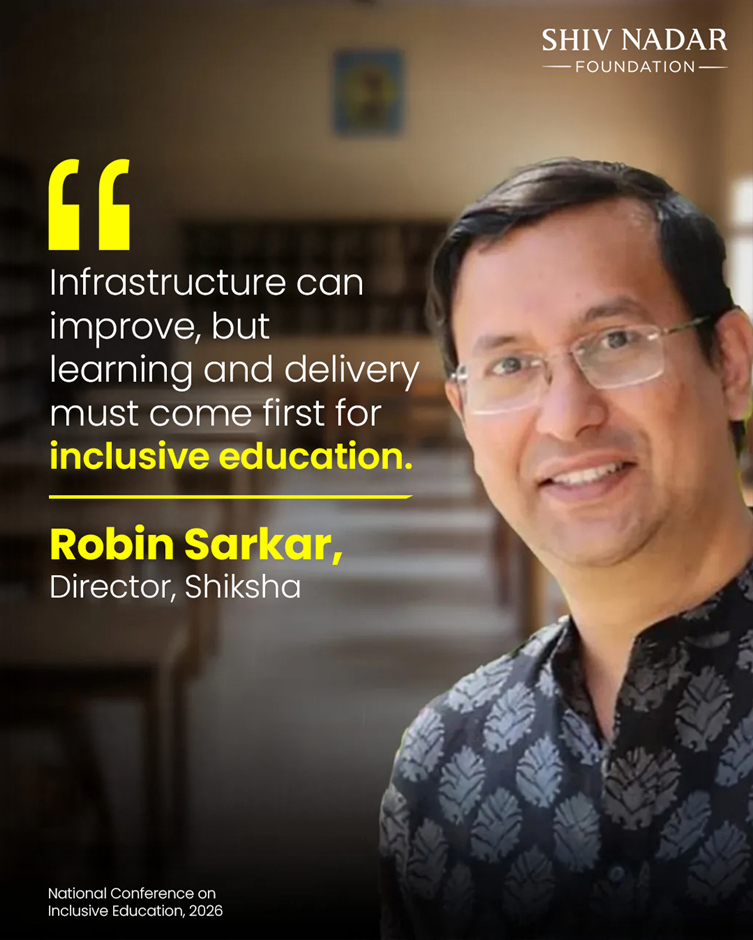
Infrastructure, facilities, and access are frequently associated with inclusive education. But actual development is not defined by these factors alone. The method that learning is organised and implemented in classrooms is what truly influences outcomes. During the National Conference on Inclusive Education 2026, Mr Robin Sarkar, Director of the SHIKSHA, stated that infrastructure improvements are insufficient. Delivery and learning must come first. This concept is in line with the way that modern education in India is developing, where the emphasis is moving toward overall access to effective and meaningful education.
Why is learning design central to education for all?
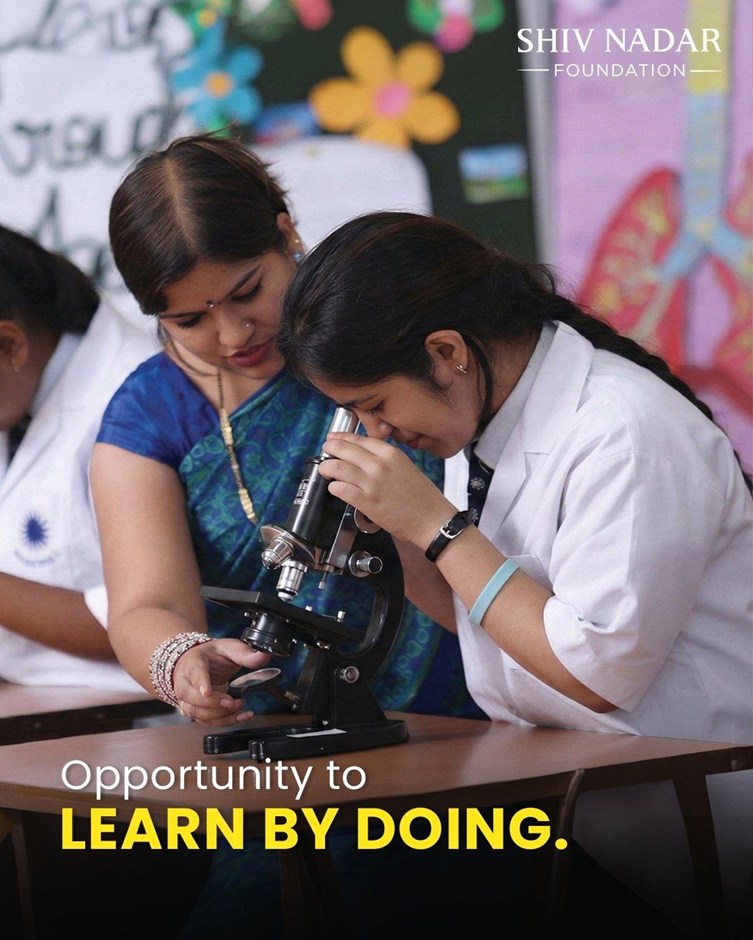
Learning design impacts a student’s day-to-day educational experiences as it affects how courses are understood, interesting, and clear. All students learn differently; there can not be one teaching method that will be perfectly effective. A thoughtful learning design frequently consists of:
- Multiple teaching methods to suit different learners
- Flexibility in pace and explanation
- Opportunities for participation
- Clear and structured lesson delivery
When classrooms follow this approach, education becomes more inclusive in practice and supports the idea of education for all, where every learner can connect with the subject.
How does learning design support the right to education?
Access to schools is often seen as the right to education, but access without understanding has a limited impact. By emphasising clarity, organisation, and relevance in teaching, learning design guarantees that students gain from their education. Effective learning design supports the right to education by:
- Dividing complicated concepts into simpler ones
- Using realistic, actual instances
- Promoting communication in the classroom
- Setting clear learning goals
This approach reflects the goals of transformational education, where learning leads to deeper understanding instead of memorisation, while also strengthening modern education in India.
What role does teaching style play in transformational education?
While a flexible approach encourages participation and dialogue, a rigid one may restrict it. Student participation in learning is influenced by teaching style. Understanding and participation are prioritised above one-way teaching in transformational education. An effective teaching style often includes:
- Open-ended questions to encourage thinking
- Group discussions to share ideas
- Space for students to express their views
- Regular feedback to guide improvement
The above techniques ensure each student has a say. This creates an environment for students that is engaging and promotes education for all.
How can curriculum design improve inclusive outcomes in modern education in India?
The curriculum design determines how students interact and learn. While a flexible framework can guarantee greater involvement, a restrictive one may restrict comprehension. The goal of an inclusive curriculum is to make learning relevant and available. It usually involves:
- Diverse examples and perspectives
- Real-world connections
- Scope for creativity and exploration
- Balance between theory and practical learning
Such a curriculum supports the right to education by making content easier to understand and aligns with transformational education.
Why is assessment design important?
Assessment not only measures performance but also shapes how students approach learning. When evaluation is only focused on one-time tests, students’ display of comprehension can be limited. A balanced approach entails continuous review, regular feedback, and a variety of forms, such as projects and presentations. This fosters overall education, enabling students to successfully exhibit their ability, and is consistent with the aims of modern Indian education.
How does the classroom environment influence learning design?
How learning is perceived and shared is shaped by the classroom setting. Student interaction is unconstrained in an environment that promotes respect for others and open dialogue. Student participation increases when they are at ease expressing themselves and asking questions. Such an environment supports flexible learning design and strengthens the right to education by building confidence and reducing hesitation.
The National Conference on Inclusive Education 2026’s highlights
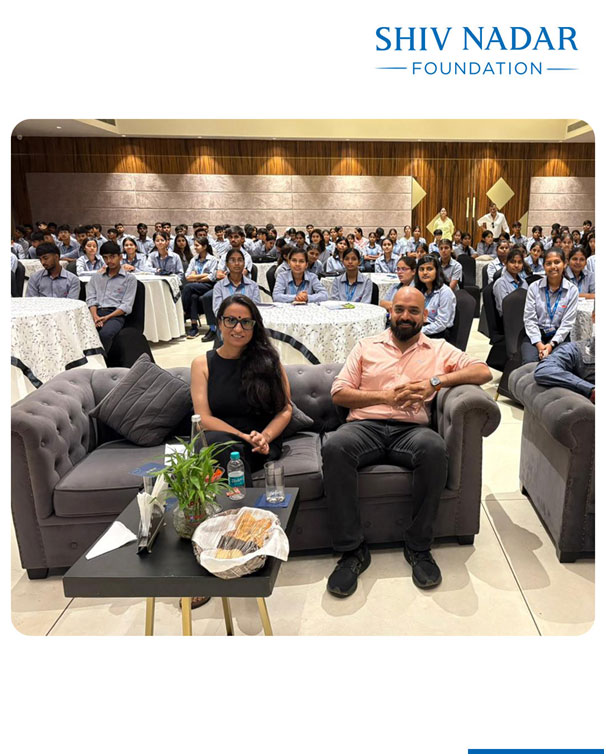
When we talk about inclusion, infrastructure is one important concept that is often less talked about. However, the National Conference on Inclusive Education 2026 highlighted this concept. Infrastructure can increase access, but it cannot ensure good learning results, Mr Robin Sarkar said. The real focus should be on how lessons are designed and delivered in classrooms. When learning becomes the priority, inclusive education improves in practice and supports transformational education within modern education in India.
Conclusion
Since inclusive education depends on how learning is planned, executed, and experienced in classrooms, it extends beyond infrastructure and access. Modern education in India is recognising this shift by placing a strong focus on teaching methodologies, flexible curriculum, and thorough evaluation. Everyone’s right to education is met in terms of both access and quality through consistent and deliberate learning design when students are able to understand and participate in class.
FAQs
Q1. In inclusive education, what is learning design?
Learning design is used in the creation, teaching, and assessment of classes to guarantee that all students can understand and participate. For a range of learners, it makes learning clear and engaging.
Q2. What is the significance of learning design in contemporary Indian education?
By emphasising explicit teaching strategies and greater learning outcomes rather than merely access, it improves how students learn. India’s current educational system is being shaped by this change.
Q3. How does learning design support the right to education?
It ensures students not only attend school but also understand what is being taught. This makes education meaningful in practice.
Q4. What is transformational education?
Understanding, thinking, and applying information in practical contexts are the main goals of transformational education. It moves beyond memorisation.
Q5. Why is infrastructure alone not enough for inclusive education?
Because access to schools does not guarantee learning, effective teaching and lesson design are also needed. Learning outcomes depend on how education is delivered.